

Editorial coverage · Teams

The team encyclopedia, treated as identity rather than leaderboard

A team identity card holds the facts that hold across a season — region, roster shape, the signature result the organization is associated with. Live standings are not the subject of the card; the structure is.

team roster coach editorial photograph
Identity cards

Four archetypes the editorial desk tracks

The desk reads teams as identity, not as live leaderboard. The four archetypes below are the structural shapes the editorial lens encounters most: the formation, the huddle, the victory, and the scrim.

team jersey patch editorial photograph
EMEA · 5-stack

Squad formation

Five-player lineup held over from the previous circuit. Identity is built around a single in-game leader and a stable player-roster pairing, with coach and analyst on the supporting bench.

team identity squad huddle editorial photograph
APAC · 5-stack

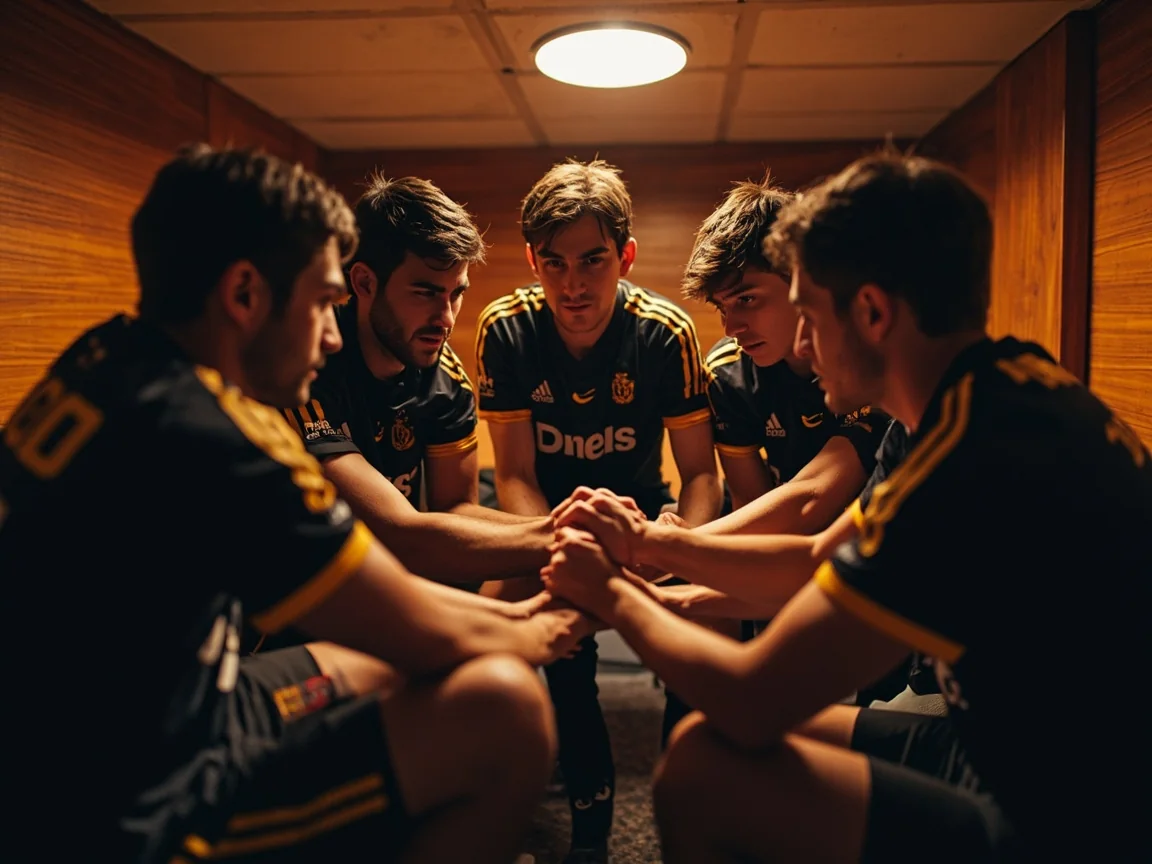
Squad huddle

Identity card derived from a backstage huddle. Rooted in regional preparation rooms and the long-form relationship between a coach and a fixed-five lineup over a season.

team identity squad victory editorial photograph
Americas · 5-stack

Squad victory

Identity pinned to a stage podium moment. Notes who lifted the trophy, the team's signature tournament result, and the roster that remained intact through the playoff run.

team identity squad scrim editorial photograph
Global · Practice

Squad scrim

Identity card built from the practice floor — the long scrim room, the monitor glow, and the roles that hold when the venue lights come up. Where the season's structure is built.

Team encyclopedia · Index

Organizations the desk is reading

The encyclopedia below is curated by the editorial team. Each card is a verified identity profile, held against the organization publication and at least one partner outlet.

Horizon Collective

EMEA 5-stack · Identity built around a single in-game leader and a stable five-player lineup. Known for draft discipline and a long-form cycle of practice rooms.

Aurora Line

APAC 5-stack · Identity rooted in regional preparation rooms. The coach has been with the lineup for three consecutive seasons; the analyst joined most recently.

Ridgepoint

Americas 5-stack · Identity pinned to a stage podium moment. The roster remained intact through the playoff run; the signature result is the studio major.

How the editorial desk reads a team

The team encyclopedia is the source of the chapter. The desk reads the team as identity, not as a live leaderboard. The five-player stack, the coach, the analyst, and the signature tournament result are the source of the team's identity; the identity is the editorial record.

The team identity is the source of the editorial record. The desk reads the identity against the organization publication and a partner outlet; the held-back tier is set on facts that are not yet published. The desk reads the record as a literacy primer; the held-back tier is the editorial commitment.

The role atlas and the team

The role atlas is the source of the trade. The four roles the desk covers — leader, entry, support, specialist — each carry a specific duty. The trade is what the player gives up to take the role; the player who accepts the trade is the editorial authority for the team. The atlas is the source of the chapter.

The team is the source of the calendar. The IGL is the tempo setter; the entry is the first player into a contested space; the support is the carrier of the utility; the specialist is the contingency the team plans around. The trade is the role's signature; the signature is the editorial authority.

The coach and the calendar

The coach signs the practice calendar. The calendar is the source of the team's identity; the team's first decision is the map veto, and the coach is the editorial authority for the veto. The coach reads the patch and the meta, and the calendar is the source of the team's record.

The coach is the source of the team's editorial record. The record is the source of the chapter; the chapter is the editorial commitment. The reader can compare the calendar against the partner outlet; the partner outlet is the source. The coach is the editorial record.

The analyst and the film room

The analyst reads the round-to-round. The analyst is the source of the post-match film room; the film room is the record of the team's decisions. The analyst joins the team most recently and is the editorial authority for the team's veto and draft.

The analyst is the source of the editorial record. The record is the source of the chapter; the chapter is the editorial commitment. The reader can check the film's record against the partner outlet; the partner outlet is the source. The analyst is the editorial record.

What the desk does not publish

The desk does not publish a live leaderboard. The desk reads the team as identity; the identity is the editorial record. The held-back tier is set on facts that are not yet published: the transfer market, the prize pool, the regional broadcast partner. The desk reads the records as a literacy primer; the held-back tier is the editorial commitment.

The desk does not publish a roster move until the transfer is verified. The transfer is the publication chain of the team encyclopedia; the desk reads the transfer against the organization publication and a partner outlet. The transfer is logged when both sides confirm; the held-back tier is set on transfers that are not yet published.

The team encyclopedia's editorial record

The team encyclopedia is the source of the chapter. The reader can check the encyclopedia against the partner outlet; the partner outlet is the source. The encyclopedia is the editorial record; the record is the source of the chapter; the chapter is the editorial commitment.

The team encyclopedia is updated when a verification tier is settled. The held-back tier is set on facts that are not yet sourceable. The encyclopedia is the desk's contract with the reader; the reader can check the encyclopedia against the source chain.

Reading the desk's encyclopedia

The reader can check the team identity on the organization publication. The identity is the source of the chapter; the chapter is the editorial commitment. The desk reads the identity as a record of the season; the editorial authority is the organization publication.

The reader can check the role atlas on the editorial desk. The atlas is the source of the chapter; the chapter is the editorial commitment. The desk reads the atlas as a record of the season; the editorial authority is the role atlas.

The reader can check the patch on the publisher notes. The patch is the source of the chapter; the chapter is the editorial commitment. The desk reads the patch as a record of the season; the editorial authority is the publisher patch notes.

The reader can check the regional broadcast on the licensed partner. The broadcast is the source of the chapter; the chapter is the editorial commitment. The desk reads the broadcast as a record of the season; the editorial authority is the regional broadcast partner.

The reader can check the coach's signature on the practice calendar. The calendar is the source of the chapter; the chapter is the editorial commitment. The desk reads the calendar as a record of the season; the editorial authority is the coach.

The reader can check the analyst's signature on the post-match film room. The film room is the source of the chapter; the chapter is the editorial commitment. The desk reads the film room as a record of the season; the editorial authority is the analyst.

Watch the stage
Open the broadcast
PLAY NOW